

LOCI – Lower classes and public Institutions
Our network latest publication
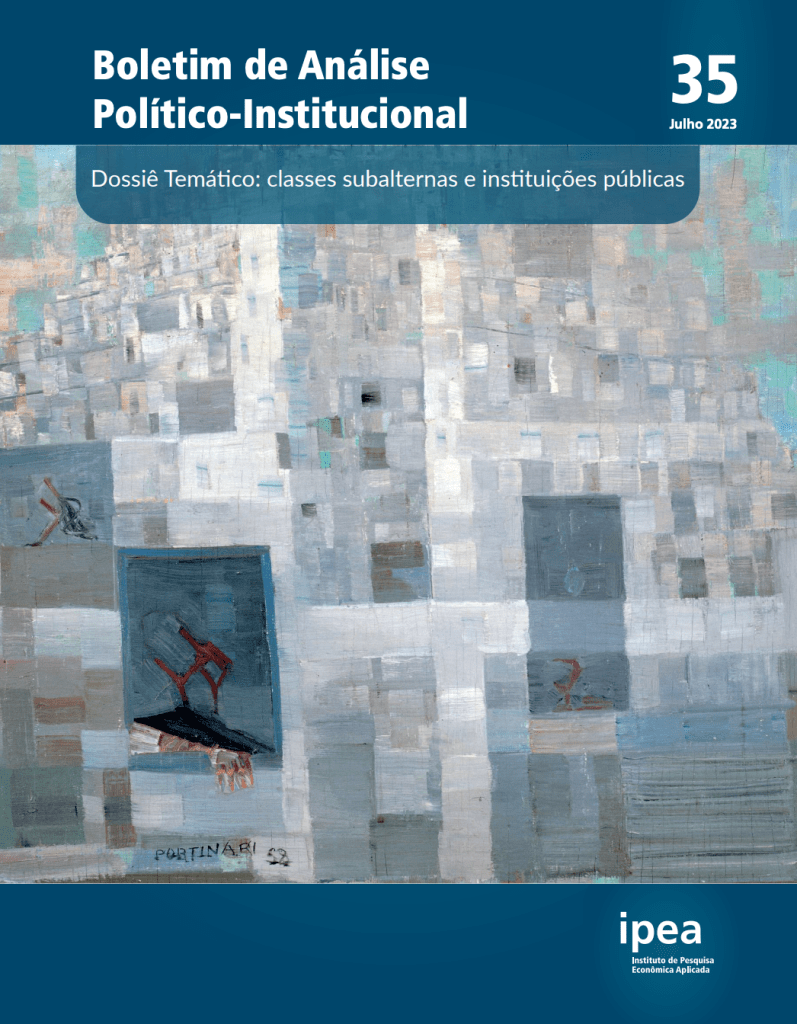
Boletim de Análise Político-institucional: Dossiê temático: classes subalternas e instituições públicas. Brasília, Ipea, n. 35, jul. 2023
By Roberto Pires, Vincent Dubois, Ninive Machado, Rogério Medeiros, Gabriela Lotta.
Upcoming Events
SEMINAR
30th of september 2026
Alexis spire
Inequalities in ordinary relations with the state
Discussant: Sandro Busso
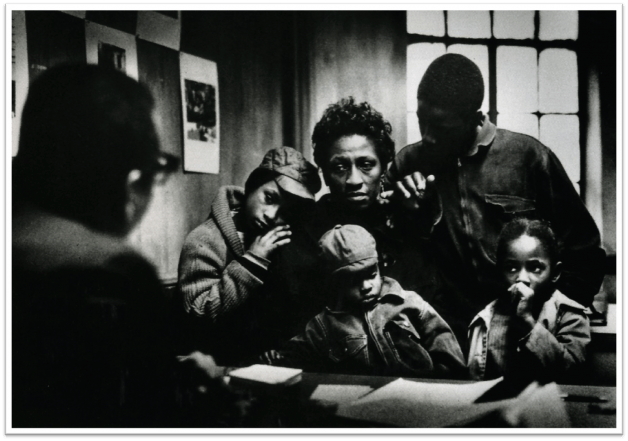
My presentation analyses the experience of public policies through an approach based on ordinary relations with the state – an expression that designates the set of practical experiences and symbolic representations that the governed have in relation to public authority. Ordinary relations with the state depend on relations of gender, class, race, and age, but they can also evolve over individual trajectories and as institutions themselves change. The ability to make state institutions work to one’s advantage requires competences that may be acquired either through the possession of educational capital, or through practical experience with officials, offices and procedures. Whether these are chosen relations (to assert a right) or constrained relations (to respond to a check), ordinary relations with the state take the form of power relations that also depend on intermediaries, who may be lay people (associations or trade unions) or legal professionals (lawyers). In the case of chosen relations with the state, the propensity to turn to a particular institution depends on the level of trust placed in it. In the case of constrained relations, the ability to defend oneself depends heavily on knowledge of one’s rights, with, again, marked variations according to social position. Finally, each confrontation with a state institution can in turn affect the representations that the governed have of that institution: such an encounter may acquire political significance and take on meaning within a broader interpretive framework, as in the case of certain forms of adverse treatment that members of minorities interpret as instances of discrimination.
Discover our ongoing researches :
Read our members publications :

Our latest publications
- Ni mineurs ni majeurs : L’incertitude vécue par les jeunes en situation de recours au Centre Bernanos à StrasbourgBy Hannes Käckmeister and al. Published in 2025, in Young People and Children on the Move. Abstract : Cet article analyse l’incertitude, la précarité et la dépendance administrative des « jeunes en situation de recours », tout en mettant également en lumière leur perspective et leurs stratégies pour naviguer dans ces défis. Ces jeunes, issus… Lire la suite : Ni mineurs ni majeurs : L’incertitude vécue par les jeunes en situation de recours au Centre Bernanos à Strasbourg
- Varieties of Ecosocial Policies in the EU: The Case of the National Recovery and Resilience PlansBy Paolo Graziano and B. Cotta, E. Domorenok, T. Panov. Published in 2025, in Regulation & Governance. Abstract : The ecosocial policy integration, required to address the intertwined social and ecological challenges of climate change, has been central to the European Union’s Recovery and Resilience Facility (RRF), which was launched to tackle the social and… Lire la suite : Varieties of Ecosocial Policies in the EU: The Case of the National Recovery and Resilience Plans
- Please Sign Here
Documents, Signatures, and Anxieties in
a Chilean State Programme.By Diego Valdivieso. Published in 2025, in The Cambridge Journal of Anthropology. Abstract : Drawing on one year of ethnographic fieldwork with state officials implementing a development programme for Indigenous farmers in southern Chile, I show how anxieties are generated in a context of increased accountability and labour precarity and how the materiality of bureaucracy… Lire la suite : Please Sign Here Documents, Signatures, and Anxieties in a Chilean State Programme.

